The Crossover: Diabetes and Neurodivergence
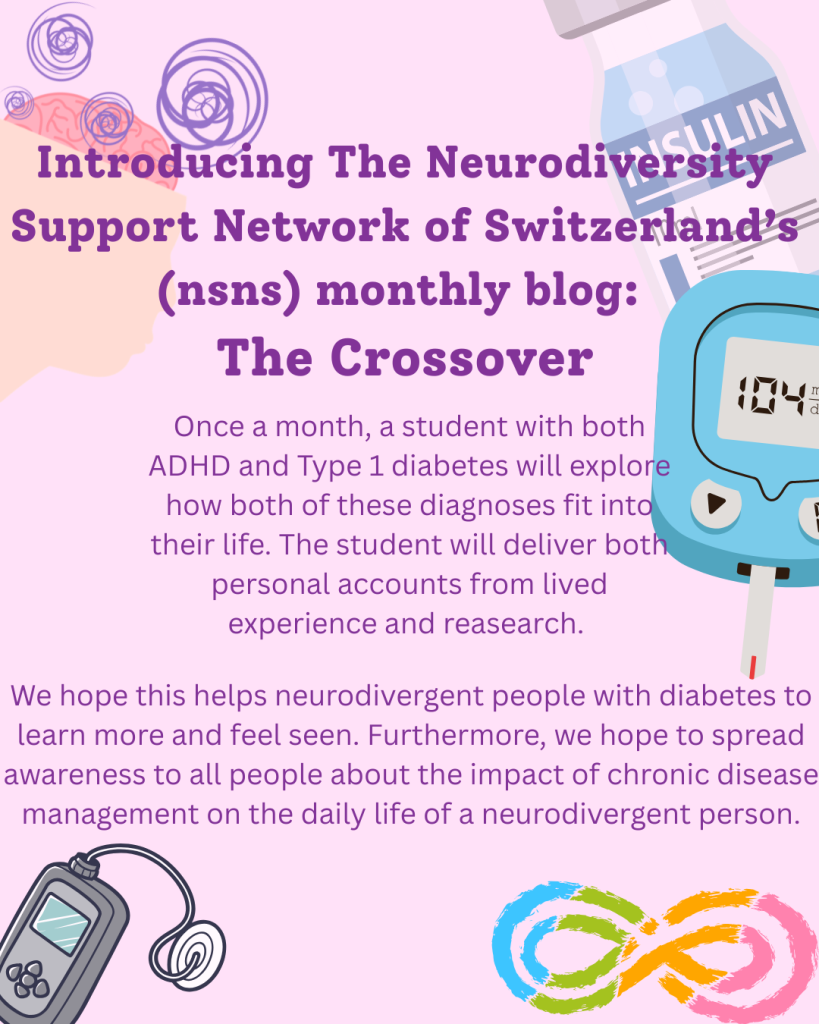
Introducing The Neurodiversity Support Network of Switzerland’s (nsns) monthly blog: The Crossover
10 minute read
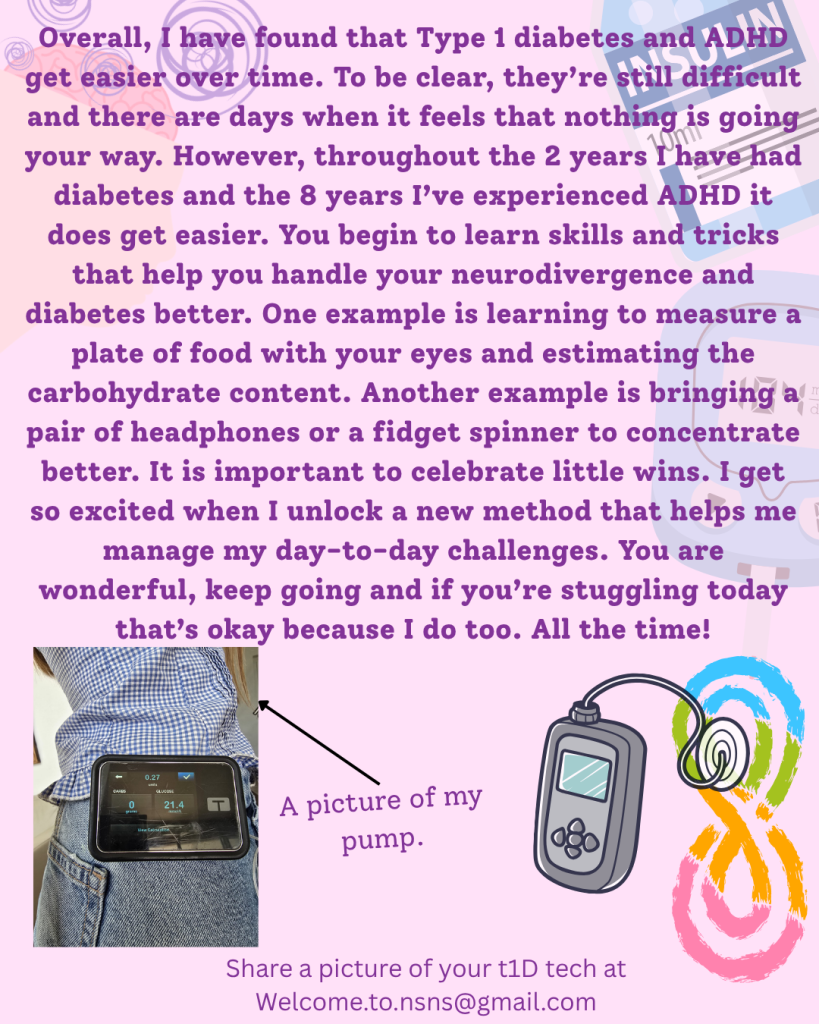
"You are wonderful, keep going and if you’re struggling today that’s okay because I do too. All the time!"
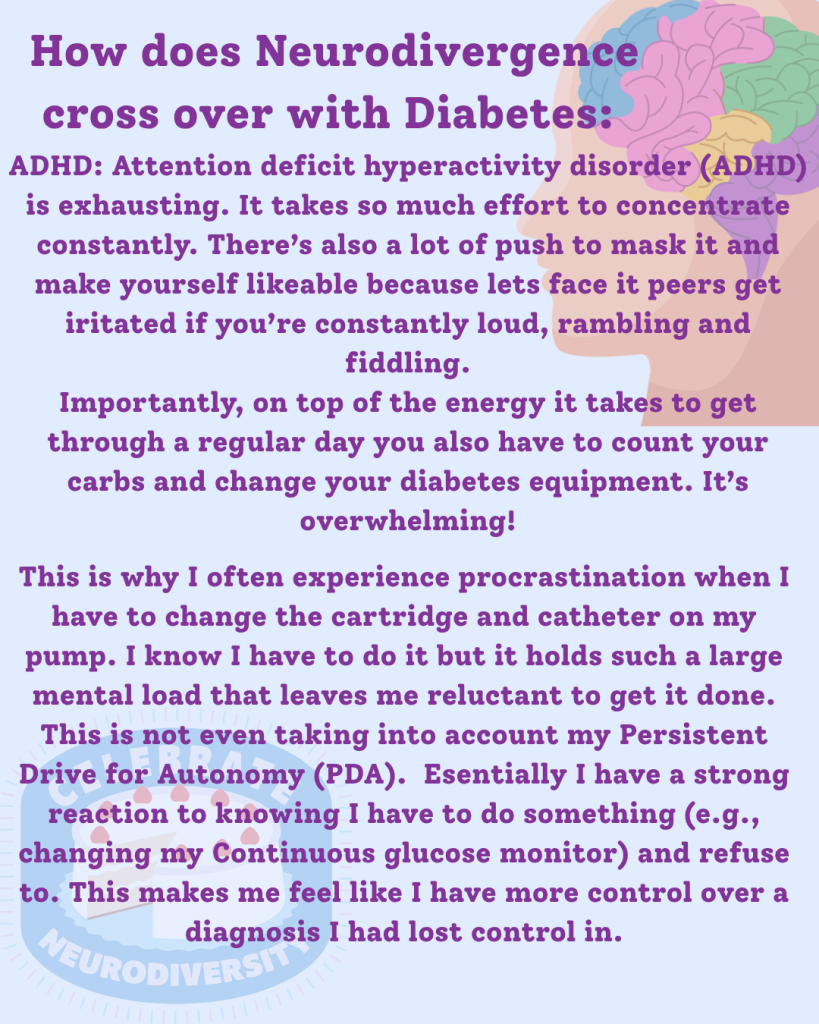
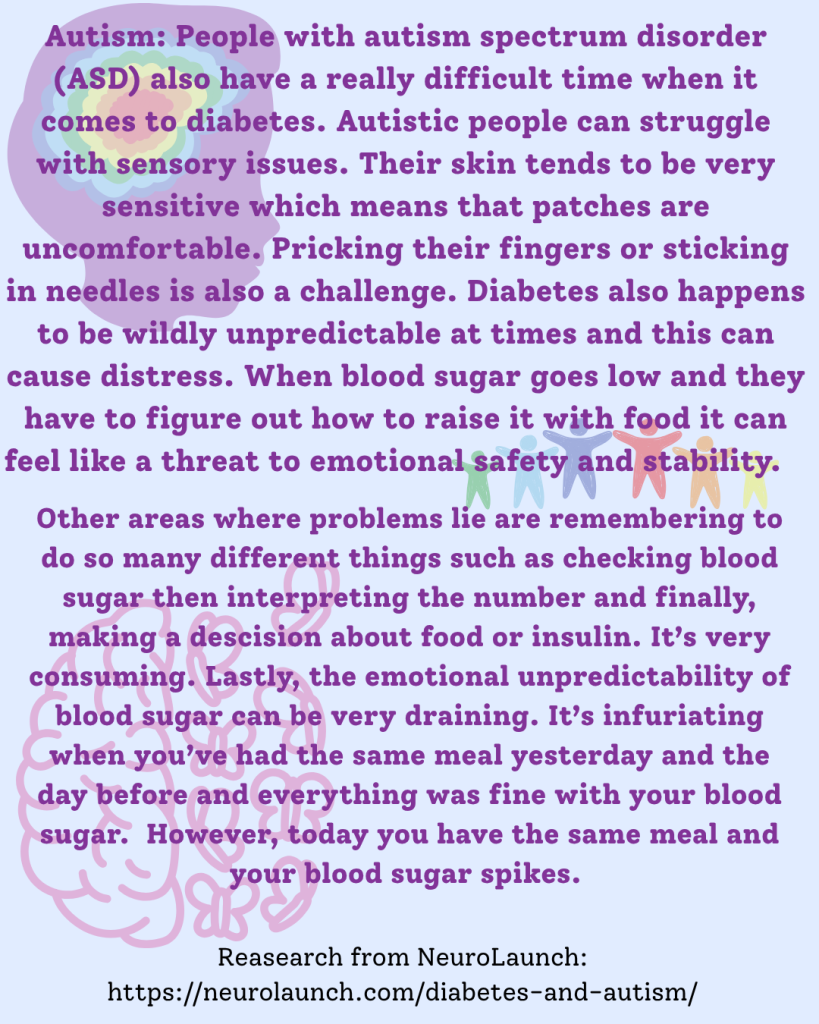
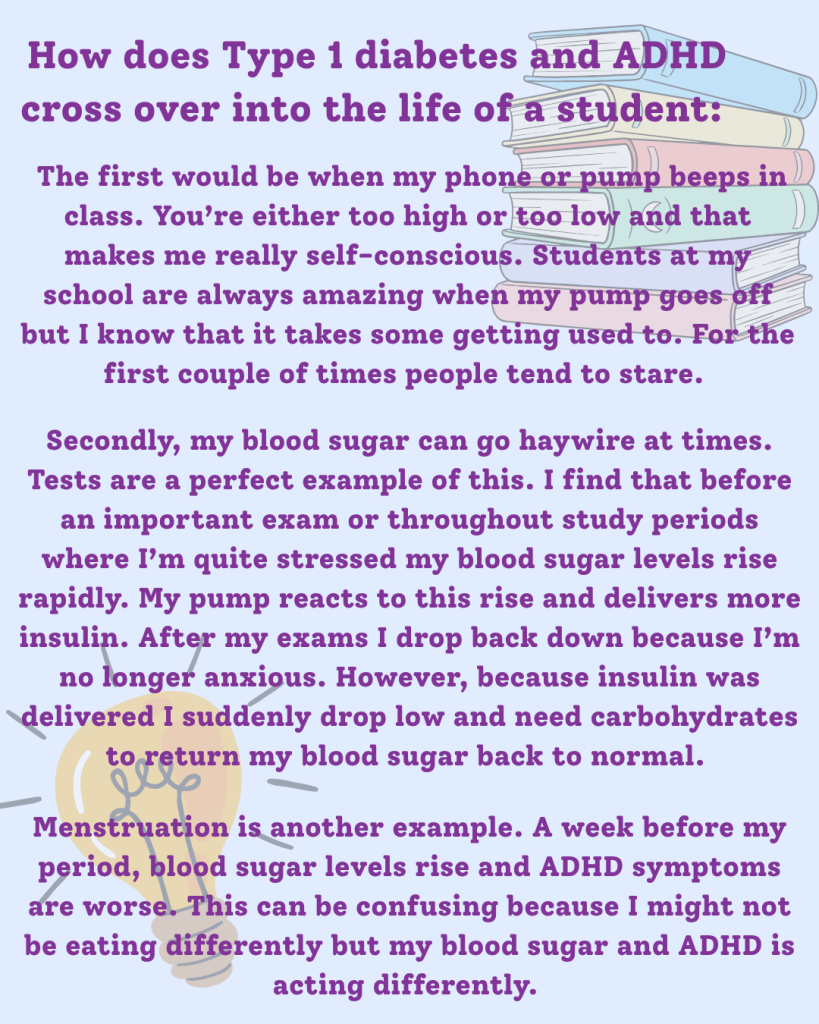
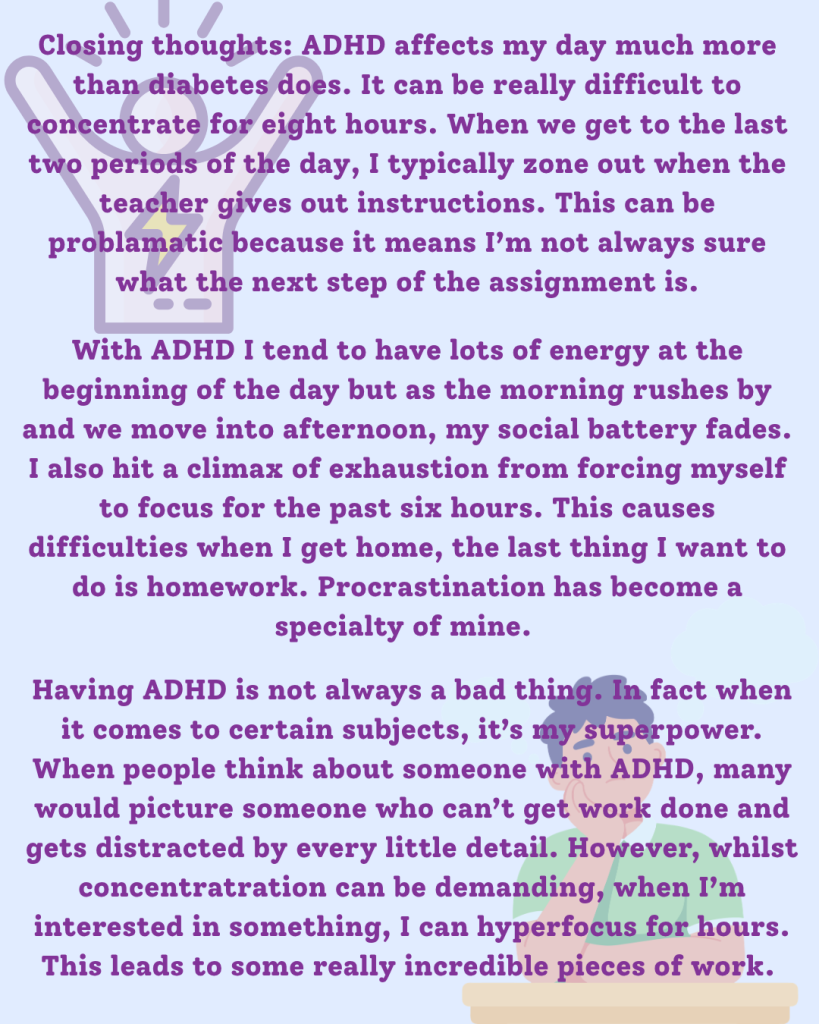
About the author: GL
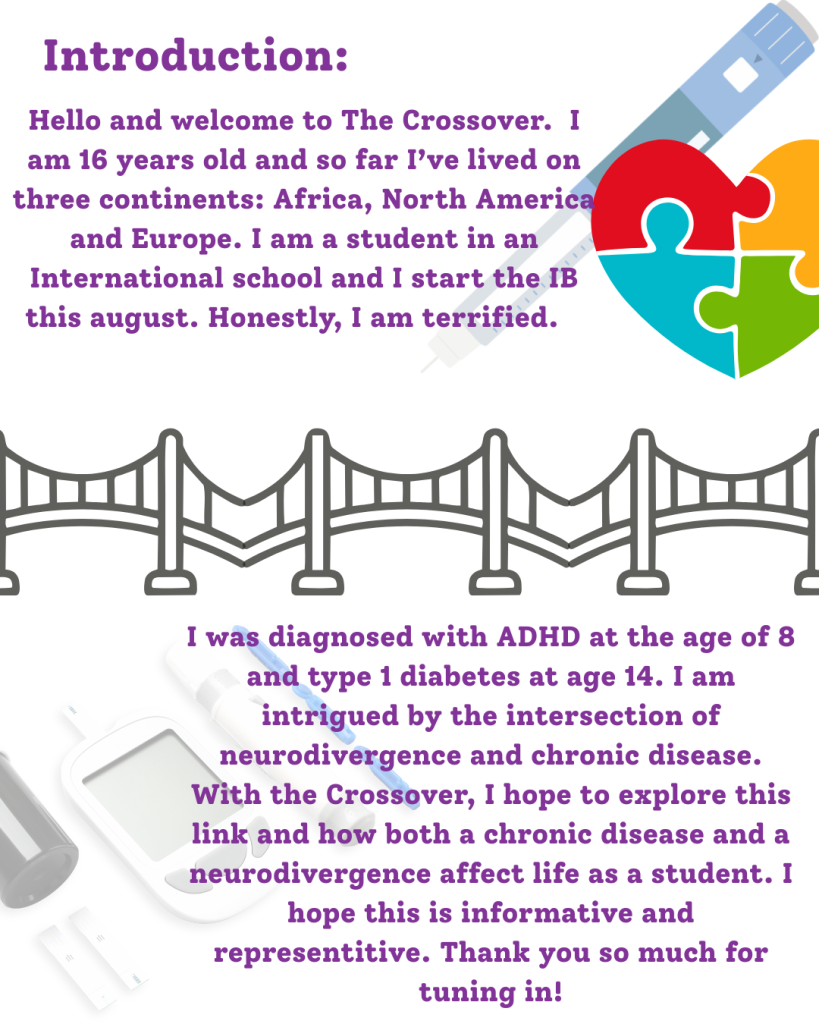
GL is an upcoming IB student with Type 1 Diabetes (T1D) and ADHD.
Related Articles:

Written by: Leonardo Ramon Zamora Briceño
5 minute read
Leonardo Ramon Zamora Briceño describes the impact of his early connection with nature as a neurodivergent child. He emphasizes the safe space that nature provided him to explore his own identity and the world around him.
Written by: Mariam Prato
3 minute read
Neurodivergence is a term that encompasses the natural differences in how people’s brains are wired, function, and process information. It refers to minds that function differently from what society has defined as “typical.” These differences are often linked to variations in brain structure, connectivity, and biochemistry.
Written by: Mariam Prato
3 minute read
If you are neurodivergent or think you might be, finding adequate support can feel overwhelming. The lack of a clear map makes it hard to know where to start, and it’s easy to get lost along the way. At nsns, we know firsthand how hard this journey can be. That’s why we created a “one-stop shop” for neurodivergent people and their families.
Written by: Mariam Prato
3 minute read
In Switzerland, many neurodivergent individuals are confronted with barriers that limit their full participation in society. Disenfranchisement is not limited to the loss of voting rights — it also includes exclusion from education, employment, healthcare, and public life. Despite growing awareness and progress, many neurodivergent individuals still experience misunderstanding and marginalization, which increases the risk of social and economic exclusion.
Written by: Mariam Prato
3 minute read
Neurodivergent people think, perceive, and experience the world in unique ways. Minds that diverge from the norm are not defective — they come with strengths that appear across many areas of life. Truly understanding and valuing these different ways of thinking can enrich not only workplaces but society as a whole.
Written by: Mariam Prato
5 minute read
Ableism is a system of beliefs and practices which values certain bodies and minds over others. It’s based on the assumption that there is a “normal” way to think, behave, or live – that being neurotypical or non-disabled is the norm and therefore superior, and anything different is a problem to fix